When a boutique winery sends its latest vintage to a sommelier in another city, the journey from cellar to glass must be as smooth as the wine itself. That’s where wine hamper packaging for wine bottles in transit comes into play. This article walks you through the essentials—why it matters, what to look for, and how to choose a supplier that keeps your bottles safe and your budget intact.
Why Packaging Matters
Imagine opening a bottle that has a cracked cork or a warped label. Frustrating, right? The same disappointment can ruin a whole shipment if the packaging isn’t up to par. Good packaging protects against:
- Physical shocks during loading, unloading, and transport. Temperature fluctuations that can alter flavor profiles. Humidity that can damage labels or corks.
A well‑designed hamper is like a sturdy shield, ensuring each bottle arrives in pristine condition. It also serves as a first impression—think of it as the wine’s “first look” before it even touches the palate.
Common Issues
- Insufficient cushioning leading to bottle breakage. Poor ventilation causing condensation inside the hamper. Inadequate labeling that makes sorting difficult for recipients.
These problems can cost wineries not only money but also reputation. gourmet hampers A single mishap can spread like a bad vintage through reviews and social media.

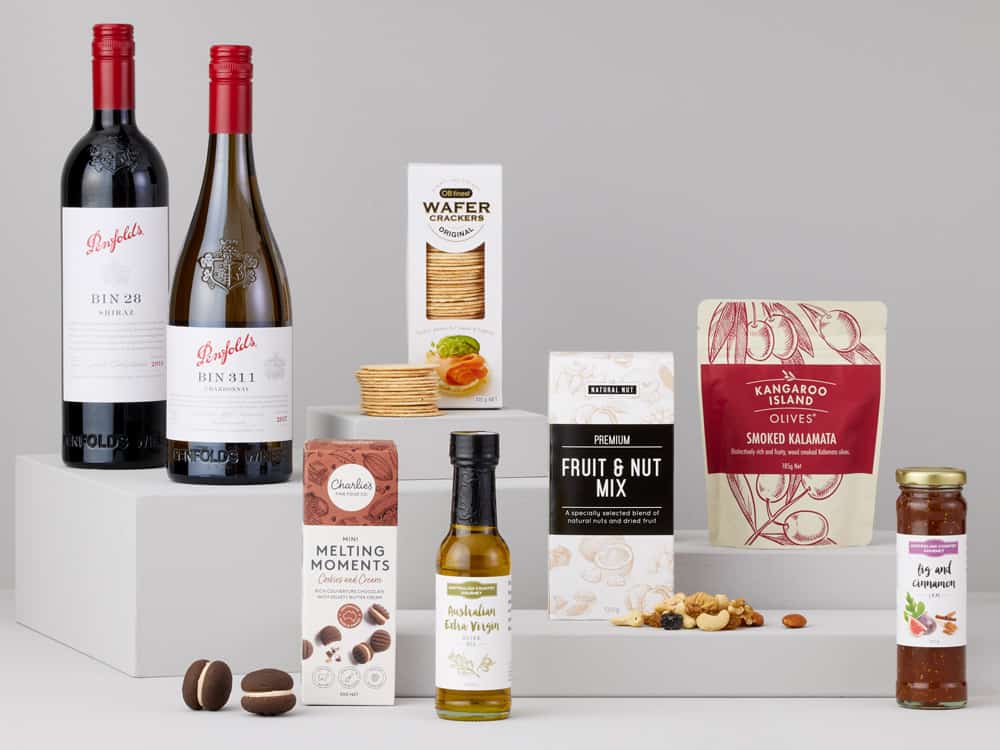
Key Features of Effective Wine Hamper Packaging
When you’re evaluating wine hamper packaging for wine bottles in transit, focus on three pillars: material, design, and protection.
Material Choices
- Wooden crates: Classic, sturdy, and recyclable. Ideal for bulk shipments. Palletized foam: Lightweight and excellent at absorbing shocks. Custom molded plastic: Durable, reusable, and often used for high‑end brands.
Each material offers different benefits. For example, wooden crates give a premium feel but add weight, whereas foam is lighter but may not be as reusable.
Design & Size
- Size compatibility: The hamper should snugly fit the bottles to prevent movement. Stackability: Allows efficient use of space in shipping containers. Ventilation holes: Prevents moisture build‑up, especially for long‑haul freight.
A good design balances snugness with airflow—think of it as the wine’s breathing room.
Protection Techniques
- Shock‑absorbing inserts: Foam or gel pads that cushion the bottles. Edge protection: Rounded corners or padded walls to avoid sharp impacts. Temperature control: Insulated liners or gel packs for temperature‑sensitive wines.
These features work together like a safety net, ensuring the wine’s integrity from departure to delivery.
Choosing the Right Supplier
Finding a supplier who understands the nuances of wine transport can be as crucial as the packaging itself.
What to Look For
- Experience in the wine industry: A supplier who knows the quirks of wine logistics. Customizability: Ability to tailor the hamper to your specific bottle sizes and branding. Compliance with shipping regulations: Especially for international shipments.
Customization Options
- Branding: Embossed logos, custom colors, or personalized messages. Packaging types: Options ranging from simple foam trays to luxurious wooden crates. Eco‑friendly materials: Recycled or biodegradable options for the environmentally conscious.
A supplier that offers these options can help you create a package that’s not only protective but also memorable.
Cost vs Value
You might wonder, “Isn’t premium packaging expensive?” The truth is, the cost of a damaged shipment far outweighs the expense of quality packaging. Here’s how to budget wisely.
Budgeting Tips
- Compare quotes: Get at least three estimates to gauge market rates. Factor in reusability: Reusable crates can reduce long‑term costs. Consider shipping volume: Bulk orders often qualify for discounts.
Remember, investing in robust packaging is like buying insurance for your wine—protecting your hard‑earned reputation and ensuring customer satisfaction.
The Perfect Gift Awaits
Picture this: a sommelier opens a beautifully packaged hamper, hears the faint creak of a wooden lid, and knows immediately that the contents are worth the wait. That’s the power of thoughtful wine hamper packaging for wine bottles in transit. It’s more than just a container; it’s an experience that starts before the bottle is uncorked.
“Packaging is the first handshake between the producer and the consumer,” says renowned wine critic James Suckling. This handshake can be solid or shaky, depending on how you handle your bottles in transit.
Final Thought
Choosing the right packaging is a strategic decision that blends practicality with presentation. By focusing on material quality, design efficiency, and protective features, you can ensure that every bottle reaches its destination as intended—ready to be enjoyed. So next time you prepare a shipment, think of the hamper not just as a box, but as a guardian of your wine’s soul.